

I was reading this story from Bob Ambrogi on LawSites today and it got me thinking about my own AI use now, and how I would have used it as a young attorney (more than a decade ago!).
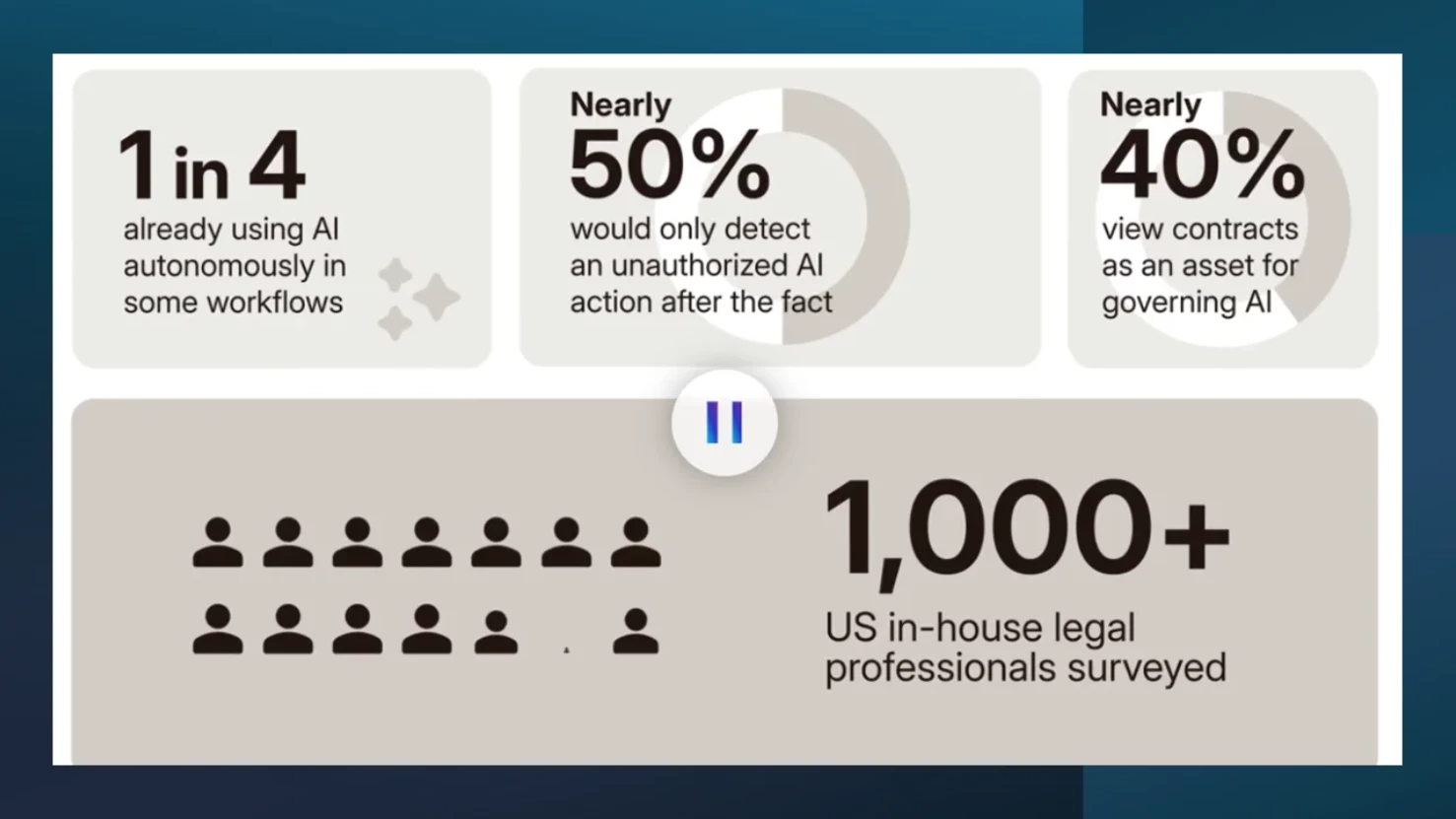
A survey highlighted that AI adoption is moving fast among lawyers and law firms, but that governance is still catching up. This shouldn’t come as a surprise to any of us - frankly, it feels like we are the governance as we make sure we use AI competently and ethically, like my friend Ellen talked about in her post.
The research shows that many legal teams are already using legal AI for contracts, drafting, workflows, but they don’t really feel like they have strong visibility into what these AI agents are doing behind the scenes. Not ideal, since we have a responsibility to our clients and the profession to know. But it also sounds like growing pains with new tech: lots of experimentation, curiosity, and all of us collaboratively figuring out best practices.
One takeaway I thought was really interesting was that despite these concerns, lawyers in legal departments aren’t slowing down the legal AI adoption, but are rather expecting AI to become even more embedded in legal work over the next few years. And if so, then it’ll be about building trust, oversight, and transparency around it as they go. And, as lawyers are wont to do, hopefully sharing those frameworks around so we can all read and analyze and refine together.
So here’s the fun question for the AI Sidebar community, under the heading of AI Jury Duty, where you’re the venireman in our AI using pool of lawyers:
What’s one “rule” or guardrail you think every law office should have when using AI tools?